Polyurethane vs. Rubber vs. Steel: Screen Media Life-Cycle Comparison
A cost-per-tonne view of the three main screen media families, including the hidden costs of noise and downtime.
The purchase price of a screen panel is a small part of its real cost. What matters is cost per tonne screened, including change-out labour, downtime and the effect on product quality. Comparing steel, rubber and polyurethane on that basis changes the decision.
Steel: high open area, low unit price
Woven and welded steel decks offer the highest open area and the most precise cut point. They are cost-effective in dry, moderate-abrasion duty. In wet or highly abrasive service, wire can wear through quickly and the replacement cycle becomes the dominant cost.
Rubber: impact and noise control
Rubber panels excel where impact is severe and noise is a concern. They flex under load instead of cracking, and they reduce sound levels around the screen box. Their open area is lower than steel, so they suit larger cut points better than fine grading.
Polyurethane: wet duty and fine slots
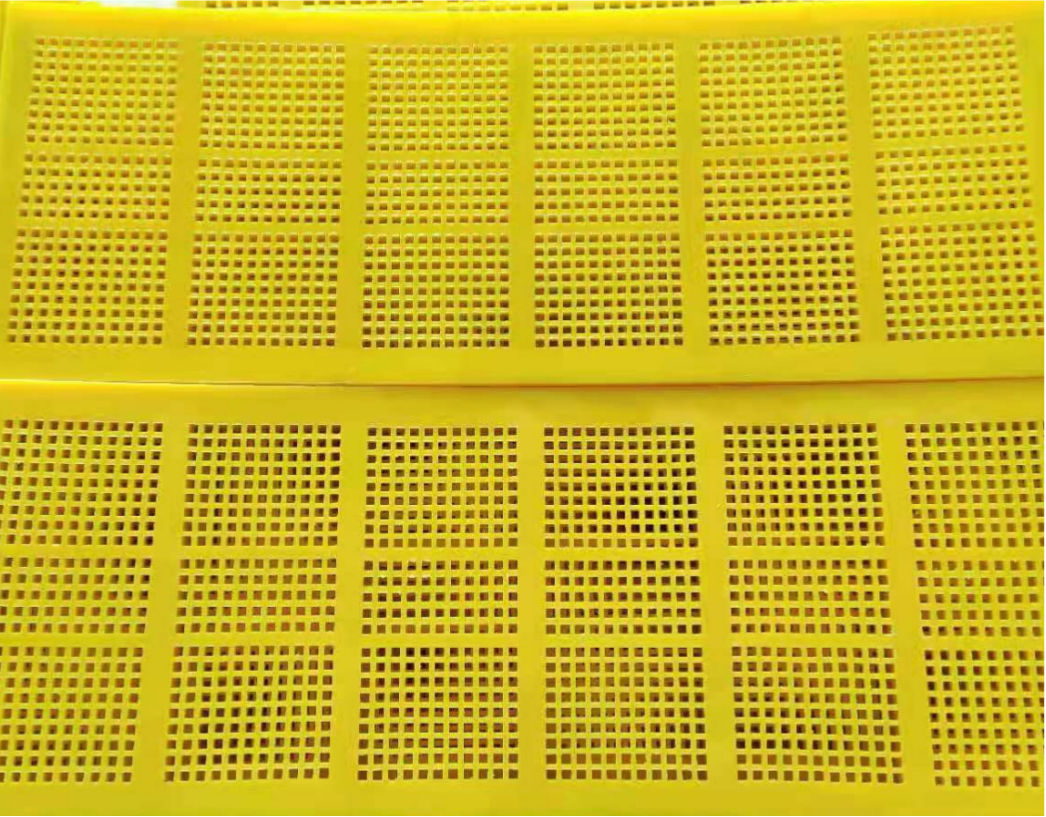
Polyurethane sits between the two. It handles fine slots, resists abrasion in wet duty and can be moulded into self-cleaning finger shapes. Modular panels make replacement quick, which matters on a plant that runs multiple shifts.
What cost per tonne should include
- Panel price and freight.
- Hours of labour per change-out.
- Production lost during the change.
- Impact on product specification and rework.
- Noise controls or permits affected by the media.
A practical approach
Run one deck with the alternative media and record tonnage, wear life and change-out time for a full cycle. That data settles the comparison faster than a spreadsheet of unit prices. We can supply trial panels sized to your deck. Browse the range or request a trial.